IO-link technology
Overview
With technology 4.0 now sensors need to be analyzed, monitored and information stored, and they require information about machine parameters that can be configured and controlled, however, today's sensors simply monitor physical quantities or states such as position, distance, pressure or temperature is not enough, so IO-Link was born as a standard, which is the answer to the question of how this information can be aggregated and transmitted without any additional equipment, so what is IO-Link?

What is IO-link?
- Is the global standard digital communication protocol IEC 61131-9.
- Point-to-point communication, not Fieldbus.
- Allows devices to send and receive more data
- Sensor measurement value.
- Setting and monitoring parameters.
- Event data and diagnostics.
- Still allowing connection of binary sensors as before.
- Add-on for control systems using Ethernet-based FieldBus such as Ethernet/IP
- Use standard, unshielded equipment M8, M12, etc. Maximum length 20 meters.

The benefits that IO-Link brings
1. Simple wiring: IO-Link does not require any special or complicated wiring, No shielded cables are needed. Instead, IO-Link devices can be connected using a cost-effective standard 3-wire cable that makes wiring simple.
2. Multiple data types: IO-Link can transfer 3 types of data between master and slave devices: process data, service data, and events data.
- Process data: is data that refers to the information that the slave device reads from the sensors and transmits to the main device. Process data is transmitted periodically in a specified data frame.
- Service data: Information data about the sensor itself such as parameter values, model and serial number, device description, status, configuration, etc. Service data can be written to the device or read from the device periodically.
- Event data: Messages such as error messages or maintenance warnings, When an event occurs, the device signals the presence of the event to the main unit. Event data is cyclically transmitted from the IO-Link device to the master device whenever an event occurs.
3. Remote configuration and monitoring: IO-Link allows users to read and change device parameters through the control system software, allowing quick and economical configuration and operation. time and resources. allows users to identify and resolve issues that arise promptly, reducing wasted time and improving overall efficiency.
4. Cost savings: IO-Link offers benefits over traditional IO because it reduces cost and complexity, improves process efficiency, and increases machine availability.
5. Extensive diagnostics function: provides users with visibility into faults and operating status from each device. Allows the user to easily identify when the sensor is malfunctioning and diagnose the problem without shutting down the line or the machine. Reduces troubleshooting time when problems arise, but also allows for optimization of machinery maintenance schedules.
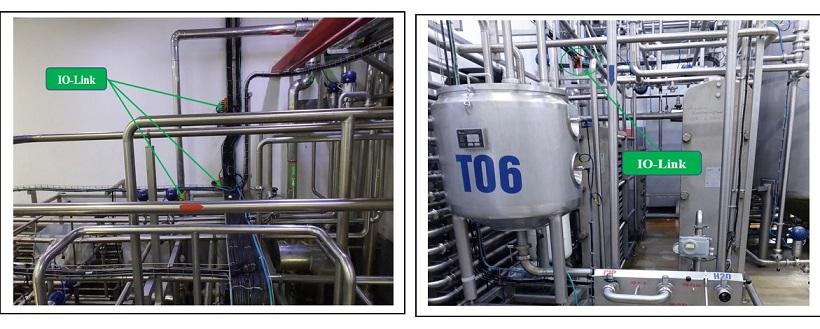
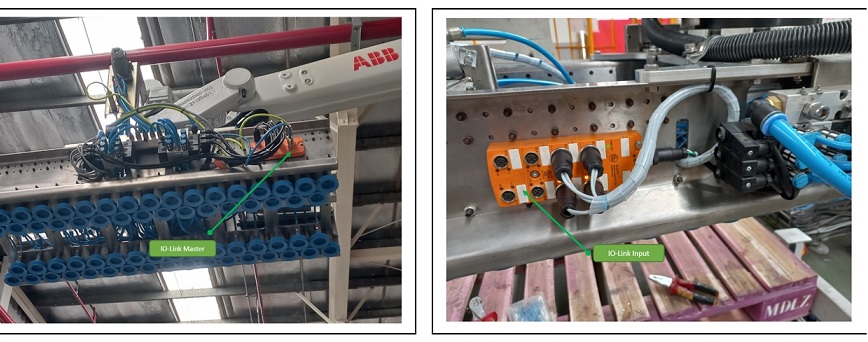
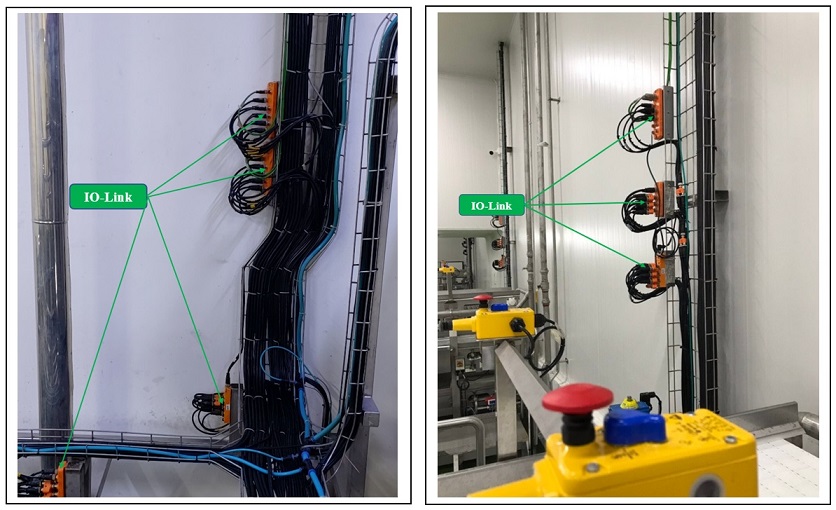
Some project images that VTStek uses IO-Link technology
Other News
 Precision manual
Some of the precision mechanical processing products developed by VTStek are shafts, machine housings, gears, cutting dies, stamping dies, cast molds, cutting tools, and all kinds of machine parts that could be used in very harsh environments such as chemicals, brine, abrasive dust…

 Energy management system
Power Systems are a Critical Process, just like any other processes in your facility, your electrical distribution network needs to be monitored and/or managed. Power Management is the ongoing measurement of an electrical power distribution system via intelligent, communicating energy and power devices connected to software for data collection, visualization, analysis and reporting.
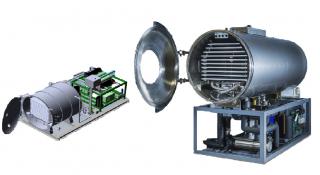 Freeze Drying Machine
Freeze-drying is an advanced drying method in which the product is dried through the sublimation of water under low temperature and pressure.